The designer’s responsibility: changing the game and the language used to tell its story

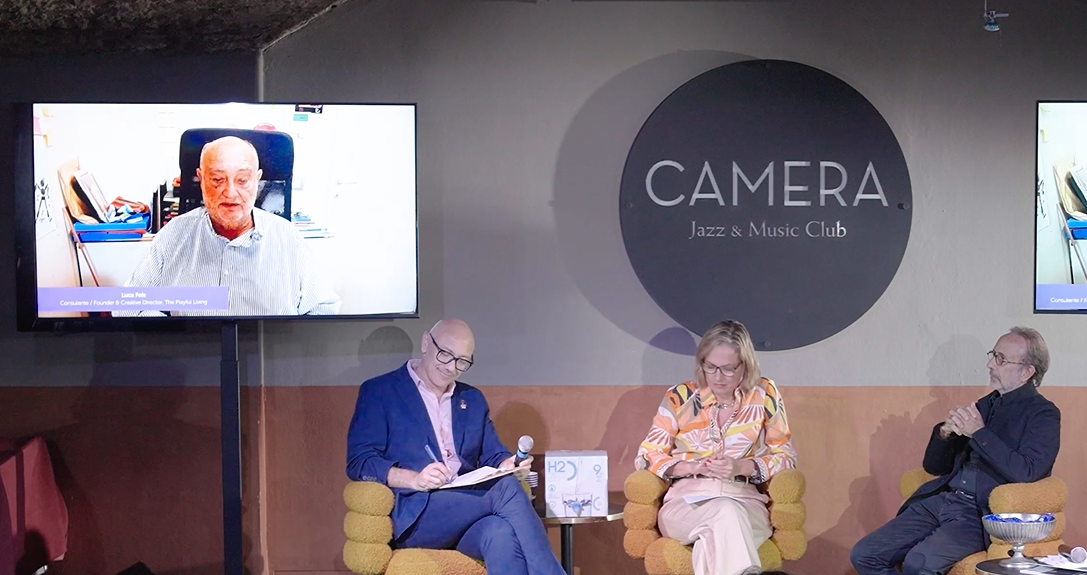
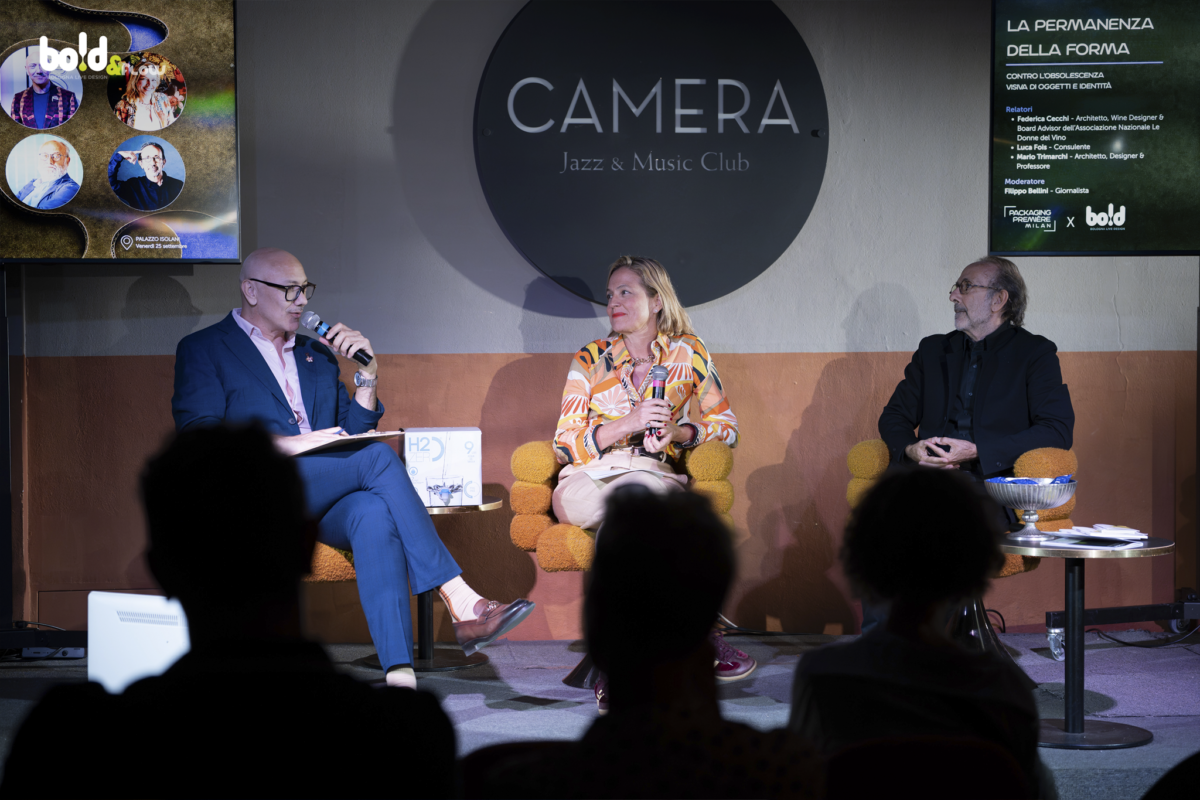
At Bologna Live Design, the Cersaie event dedicated to design, Packaging Première Milan took part in the talk “The Permanence of Form – Against the Visual Obsolescence of Objects and Identities”, challenging the usual way of thinking about obsolescence. Objects do not grow old, said Mario Trimarchi – architect, designer and professor – in his opening keynote: “We are the ones who become obsolete, not things.” Starting from this shift in perspective, Trimarchi, Federica Cecchi and Luca Fois, joining via video, developed a shared reflection around a single idea: the meaning behind design matters more than function and only that meaning allows an object to stand the test of time.

Trimarchi: function is dead, meaning stays

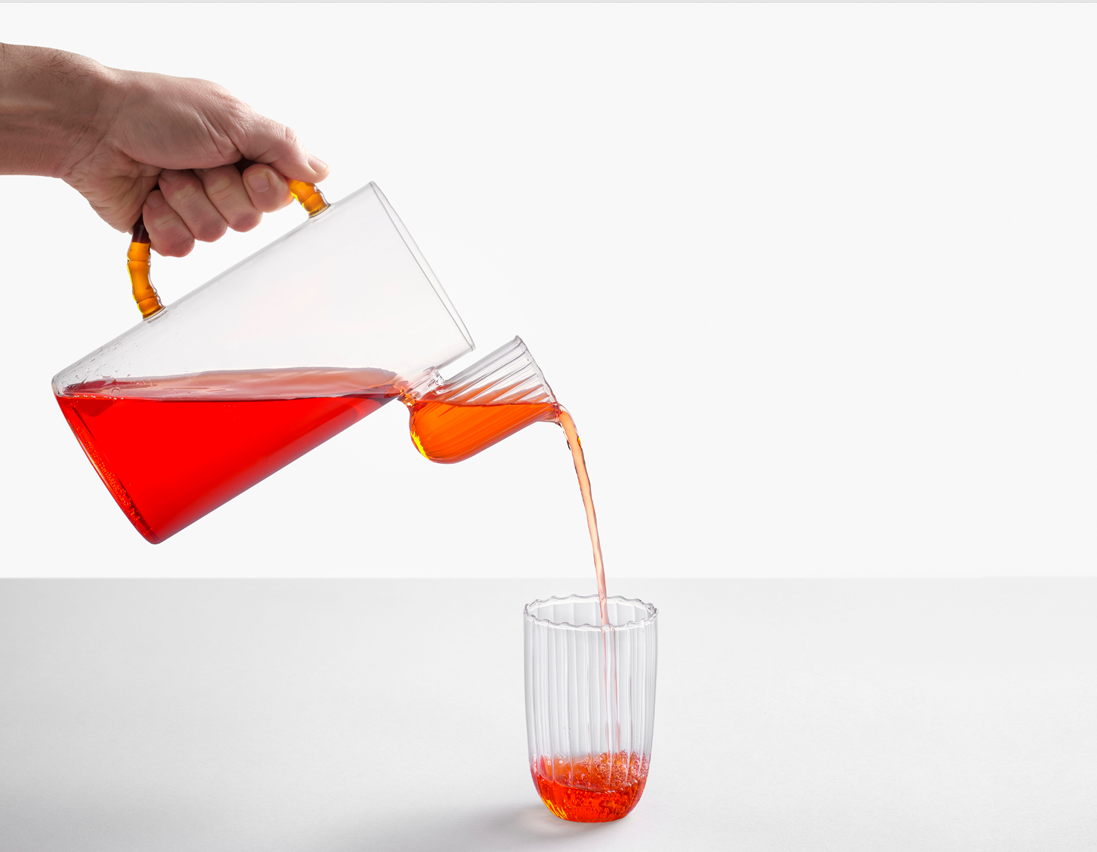
For Trimarchi: “Function is dead. None of us buys an object because it works well; we take it for granted that objects work.” What remains, as we look at the details of an object, is its ability to “generate behaviours, thoughts and reflections”: the designer’s real task is to build relationships and create meaning. One example is a jug he deliberately designed to be complex to use, with the aim of slowing down the act of pouring water and bringing greater attention to a daily action. The complexity of the execution restores dignity to the banality of the gesture, allowing us to attach greater mental significance not only to the action we are performing, but also to the object we are using.

Ichendorf Rivoli Jug_Design by Mario Trimarchi
 Fois: novelty is not innovation

Luca Fois – creative advisor and professor – introduced a distinction that ran throughout the talk: novelty “emerges as a market-driven concept… designed to keep a system of products moving and to sell more and more”, taken to the extreme in the absurdity of planned obsolescence. Social innovation is something else entirely: “it is something new that establishes new behavioural patterns”, an innovation “not only in terms of function or form, but specifically in human relationships”. Fois also reminded the audience that designers never work alone but operate within a collective supply chain of expertise. He then redefined the hierarchy of those who design serves: the user comes before the consumer and the person comes before the user – a shift in perspective that moves the focus away from the product and towards the person who will experience it.

Cecchi: form as an emotional bridge

Building on Fois’s reflections, Federica Cecchi – architect, wine designer and Board Advisor to the Italian Association of Women in Wine (Associazione Nazionale Le Donne del Vino) – offered the most direct definition of the talk’s central theme: “design obsolescence occurs not only when an object stops working, but when it loses its meaning”. This is where the designer’s responsibility comes in: to see the person they are addressing not as a consumer, but as an individual. Only then can they create something that will retain its meaning even when its function no longer exists – the meaning of having built a relationship. For Cecchi, form itself is where meaning and ideas converge, creating a genuine connection and an emotional bridge with the audience. But that connection can only endure if it is rooted in an authentic journey: “once the trend is over, the identity fades away”.

 Meaning over consumption: key takeaways

The talk brought several key principles into focus. First, longevity is not an inherent technical property of an object, but a consequence of the meaning it carries: an object loses its value not when it breaks, but when it loses its significance. Second, as function is now taken for granted in any product, it is no longer what justifies a purchase or a design project; what makes the difference is the ability to foster relationships, shape behaviours and inspire reflection. Third, true innovation is not novelty that fuels the sales cycle, but innovation that transforms behavioural patterns and human relationships – and achieving this requires designing for people before consumers. Fourth, sustainability does not mean consuming less, but consuming better, carefully choosing what we bring into our lives rather than accumulating more. Finally, the talk offered a more radical invitation: to step away from centre stage, stop seeing ourselves as the only subjects that matter, and learn to look at objects with the same attention we give to people. It is this shift in perspective, more than any material or technology, that holds the key to the true permanence of form.

Condividi l'articolo

Facebook
LinkedIn

Lorem ipsum dolor sit amet, consectetur adipiscing elit Lorem ipsum dolor sit amet, consectetur adipiscing elit

The latest news from Packaging Première