Niche perfumery: complexity as the best defence against dupes
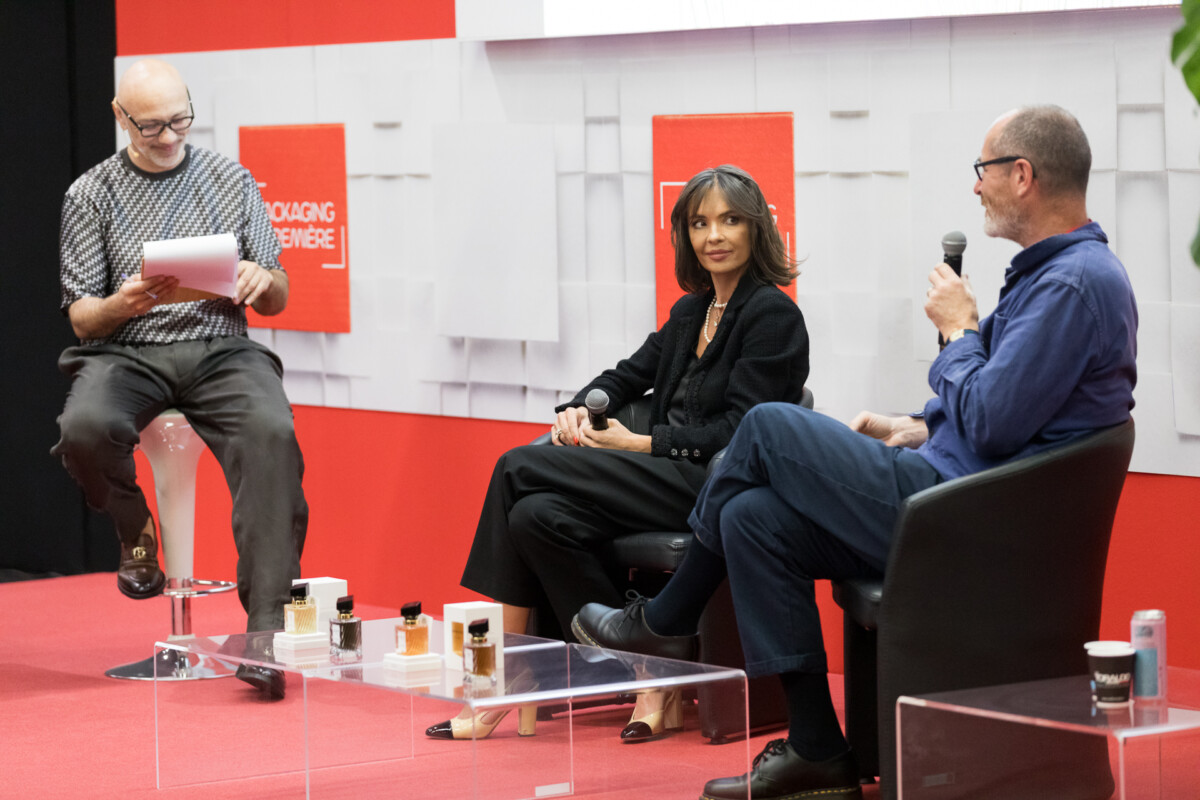
In the independent fragrance market, where a successful perfume can be imitated within weeks, an alternative strategy to legal enforcement is emerging: making the product technically too complex to copy. This is the approach taken by Anomalia Paris, the fragrance house founded by Elena Spirina and supported by the agency Carré Basset in the development of its brand strategy and packaging. Their story was shared during the talk “Singularity & consistency: the strategic role of packaging in brand storytelling” at Packaging Première Milan 2026.
Complexity as an entry barrier
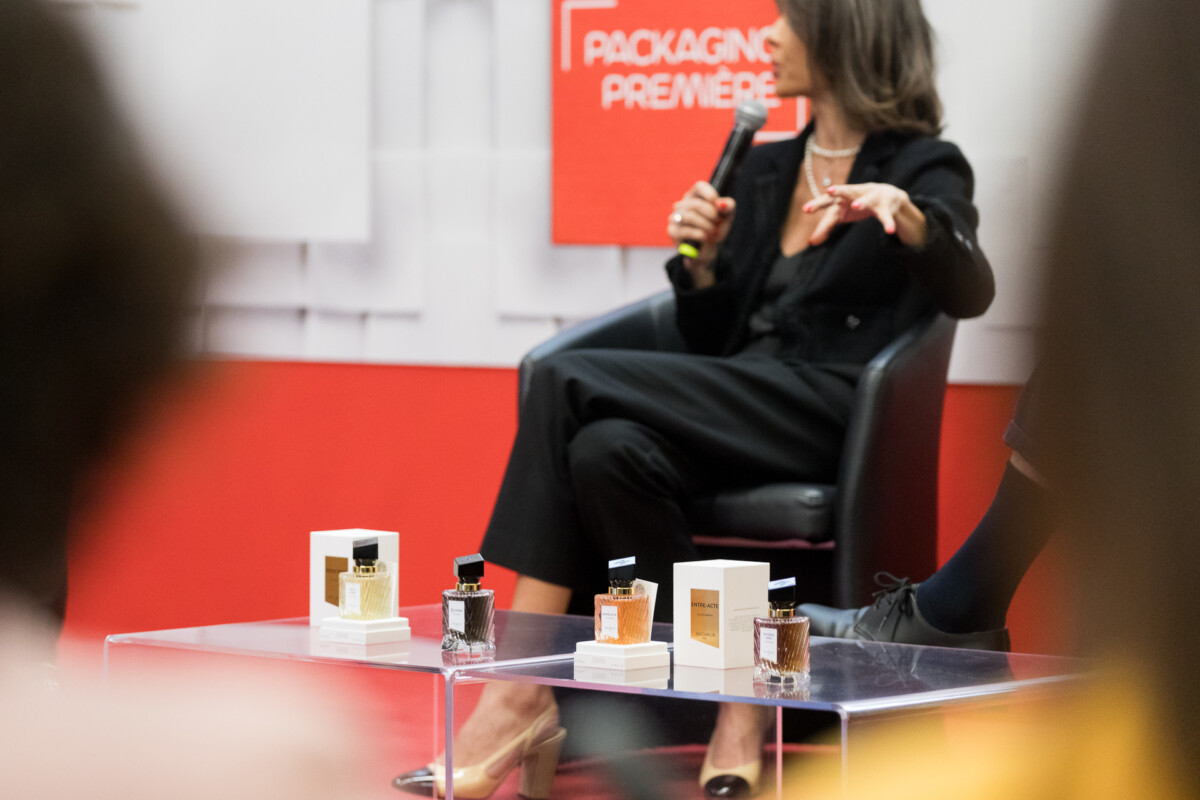
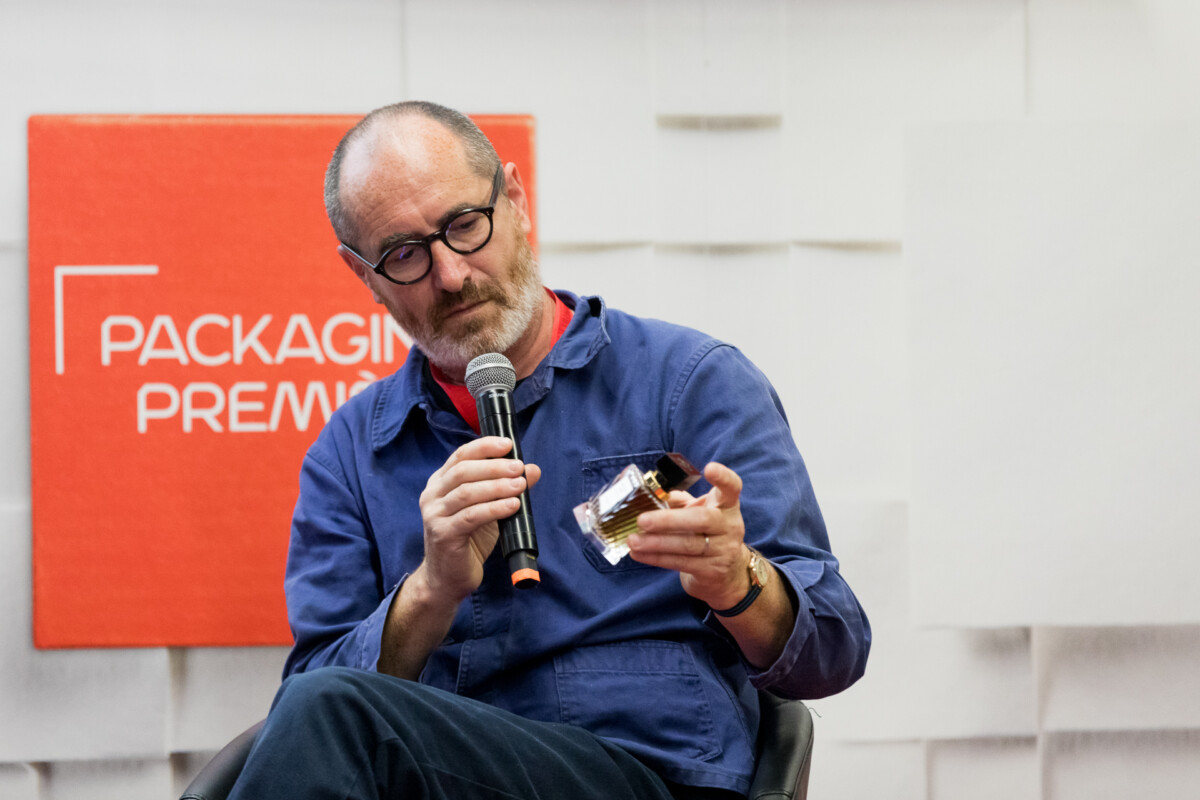
Behind Anomalia’s minimalist bottle lies a series of highly sophisticated production choices: the geometric precision of the glass, a cap with a carefully calibrated weight designed to complement the bottle and gold finishes selected to preserve the packaging’s recyclability. According to Franck Basset, Creative Director and Co-Founder of Carré Basset, it is precisely this level of detail – often invisible to the end consumer – that discourages the most superficial imitations, which typically reproduce only the overall shape while omitting the most technically demanding and expensive elements. This approach turns the traditional defensive strategy on its head. Rather than relying primarily on patents and legal protection – which the speakers themselves acknowledged can never provide absolute security – it makes complexity itself the strongest safeguard against imitation.
A small brand with a countercurrent strategy
From a market perspective, even more compelling is Anomalia’s decision not to follow the industry’s rapid product launch cycle, where some fragrance houses introduce five or six new perfumes each year. Instead, Spirina advocated a completely different philosophy: creating only a few fragrances, each designed to endure over time like the great classics of perfumery. For an independent brand, this is a bold strategy. Without the constant visibility generated by the continuous launches of major luxury groups, choosing quality over quantity carries significant risks. Yet it is also, arguably, the only viable path for a smaller player that cannot compete on scale: building a distinctive and enduring brand identity, rather than chasing the market’s attention with one launch after another.
Sustainability as a process variable, not a communication tool
From an environmental perspective, the case reflects a well-established trend in luxury packaging: sustainability is defined by technical decisions rather than marketing claims. The selection of adhesives that meet both luxury quality standards and recycling requirements, as well as the reduction of metallic laminations that hinder paper recovery, are examples of work that remains largely invisible to consumers. Yet these technical choices have become a genuine competitive advantage for packaging manufacturers. Ultimately, the Anomalia case is less a story about branding than an operational lesson. In a market saturated with imitations, competitive advantage is increasingly shifting away from design alone and towards the industrial capability required to bring that design to life.