

It’s about designing for everyone, not just creating “special versions”
All of us, at some point in our lives, will need products adapted to special needs, whether due to a temporary reason, a disability, or some limitation. Inclusive packaging is packaging for everyone, at all times.
As global markets become increasingly diverse, we know that packaging has transformed from a functional necessity into a meaningful point of connection between brands and consumers. And one of the most influential shifts in this space is the rise of inclusive packaging, an intentional approach to designing containers, labels, and formats that can be used and understood by the widest possible range of people. This movement recognizes that consumers bring different abilities, backgrounds, cultures, and expectations to their purchasing experiences, and it aims to eliminate barriers that prevent anyone from fully engaging with a product. It’s our product ready?
People with disabilities globally: ≈1.3 billion people (about 16% of the world population). The large base of people with disabilities or age-related limitations, considering the increase in life expectancy and the inverted population pyramid in Western economies, means that inclusive packaging is not a niche, it’s a mass-market opportunity. Serving the needs of this group can give companies a competitive edge.
So, Inclusive packaging is not simply a design trend; it is a strategic response to demographic realities. In the U.S. alone, over 61 million adults live with a disability, and aging populations around the world continue to grow. Cultural diversity is also increasing, meaning packaging must communicate effectively across languages and cultural contexts. As a result, inclusive packaging has become both a moral responsibility and a competitive advantage at the same time for brands that want to remain relevant in front a very active ecosystem of demanding customers.
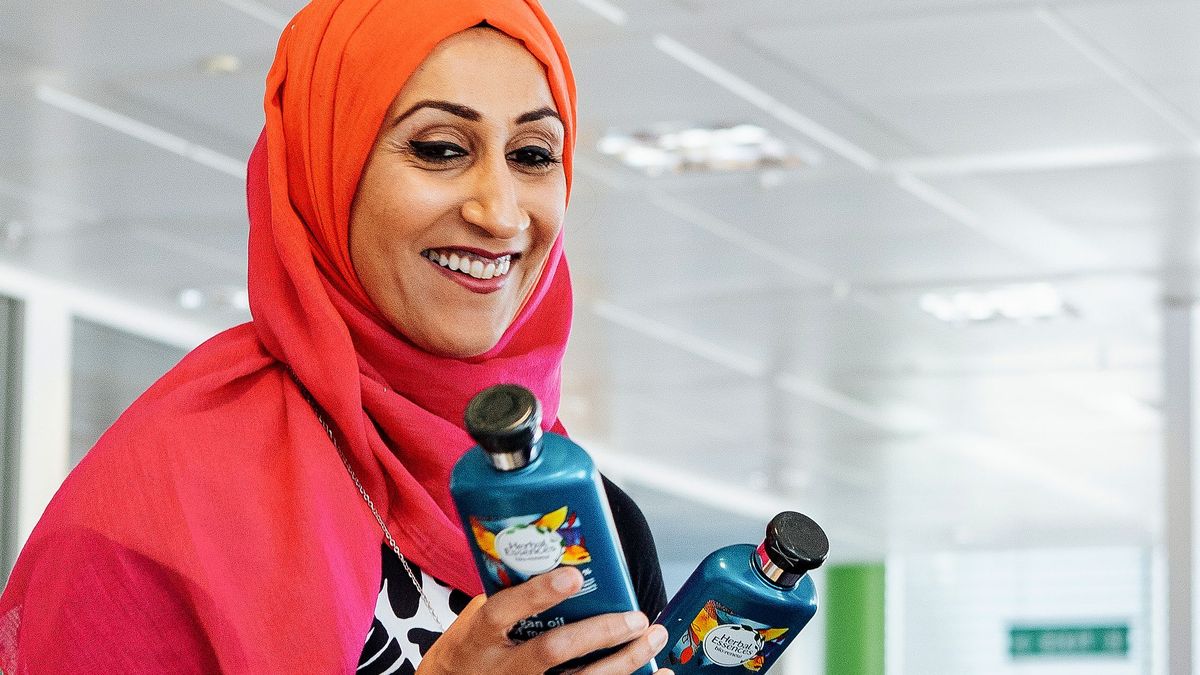
Understanding inclusive packaging
At its core, seeks to create solutions that consider the full spectrum of human needs, physical, cognitive, and cultural. It moves beyond the traditional priorities of cost efficiency and visual appeal to embrace equitable access. Instead of expecting consumers to adapt to the product, design asks how the product can adapt to consumers.
Key elements include tactile features for non-visual identification, easy-grip or easy-open structures for those with reduced dexterity, high-contrast typography for improved readability, and culturally sensitive visual language. Importantly, inclusive packaging avoids segregation: the goal is not to create “special versions” for specific groups, but to design products that everyone can use confidently and independently, its about doing design for all.
This philosophy aligns closely with universal design principles and reflects international standards such as ISO 1780:2015, which emphasize ease of access, clarity, safety, and intuitive handling.
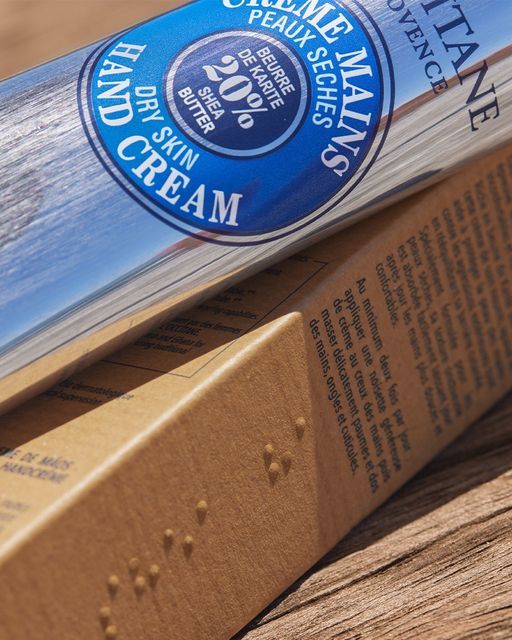
Design for inclusivity
We should prioritize accessibility, in packaging design with ease of opening is key, readability, and tactile orientation in mind. User testing with people who have varied abilities is essential. Practice cultural sensitivity, color meanings, symbols, and language direction vary widely across cultures. Brands that tailor these details build trust and avoid costly misunderstandings. Embrace universal design, solutions should work for everyone without requiring special tools or alternative versions.
As in every product development, companies will need to test, iterate, improve, Inclusive design is an ongoing process. Continuous testing and feedback ensure packaging remains relevant as needs evolve. Integrate sustainability, eco-friendly materials and minimal waste can coexist with accessibility. Sustainable design that is difficult to open or handle negates its value.
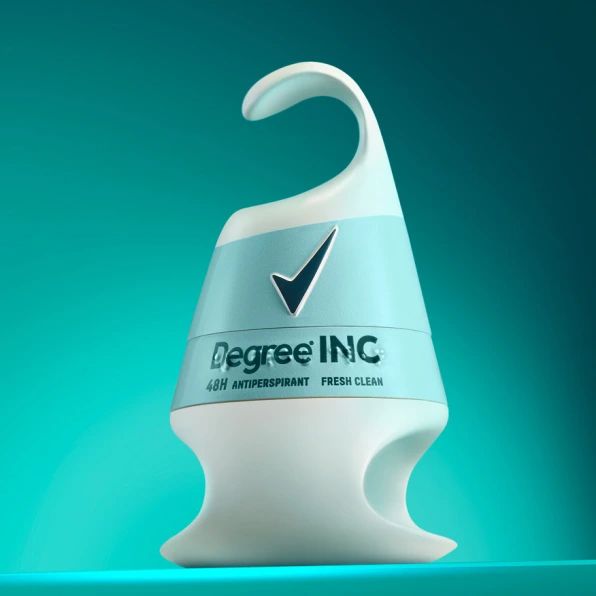
Modern packaging increasingly incorporates features that respond to varied physical and cognitive needs:
These features do not only benefit those with disabilities. They improve the experience for anyone opening a jar with wet hands, reading labels in dim light, or juggling multiple tasks.
Beyond physical accessibility, brands are embracing packaging that respects cultural diversity and challenges outdated norms:
Consumer lifestyles are varied, and packaging is evolving to match:
Inclusive packaging is increasingly tied to brand values. When companies demonstrate care for all consumers, they build trust, emotional connection, and long-term loyalty.
The business behind
Inclusive packaging opens doors to new customer segments. People with disabilities represent a significant and often underserved market. Older adults, who frequently experience lower strength or vision changes, also benefit greatly from accessible packaging. Products that are easier to open, read, or understand create positive experiences across demographics. For consumers who previously relied on assistance, opening medicine bottles, distinguishing shampoo from conditioner, the shift toward independence builds confidence and deepens brand loyalty.
Competitive differentiation, in crowded categories, accessible design becomes a clear point of distinction. Consumers increasingly choose brands whose values align with their own, and inclusivity sends a strong signal of social responsibility and modern thinking. Future-Proofing, as regulations evolve and expectations rise, brands that invest early in inclusive design will be better positioned to meet emerging standards and consumer demands.
Emerging technologies are greatly expanding what inclusive packaging can achieve, transforming static containers into dynamic, user-centered experiences. Smart packaging equipped with QR codes now enables brands to offer audio labels, multilingual product information, and detailed instructions that go far beyond the limitations of traditional print. Augmented reality (AR) is opening new possibilities as well, allowing consumers to access interactive overlays that demonstrate product usage, provide safety guidance, or adapt information to individual needs.
Meanwhile, voice-enabled features offer hands-free instructions and support for users with visual impairments or reading difficulties, ensuring a smoother and more independent interaction with products. Together, these technologies are reshaping packaging into an interactive and supportive companion, enhancing accessibility and deepening brand engagement.
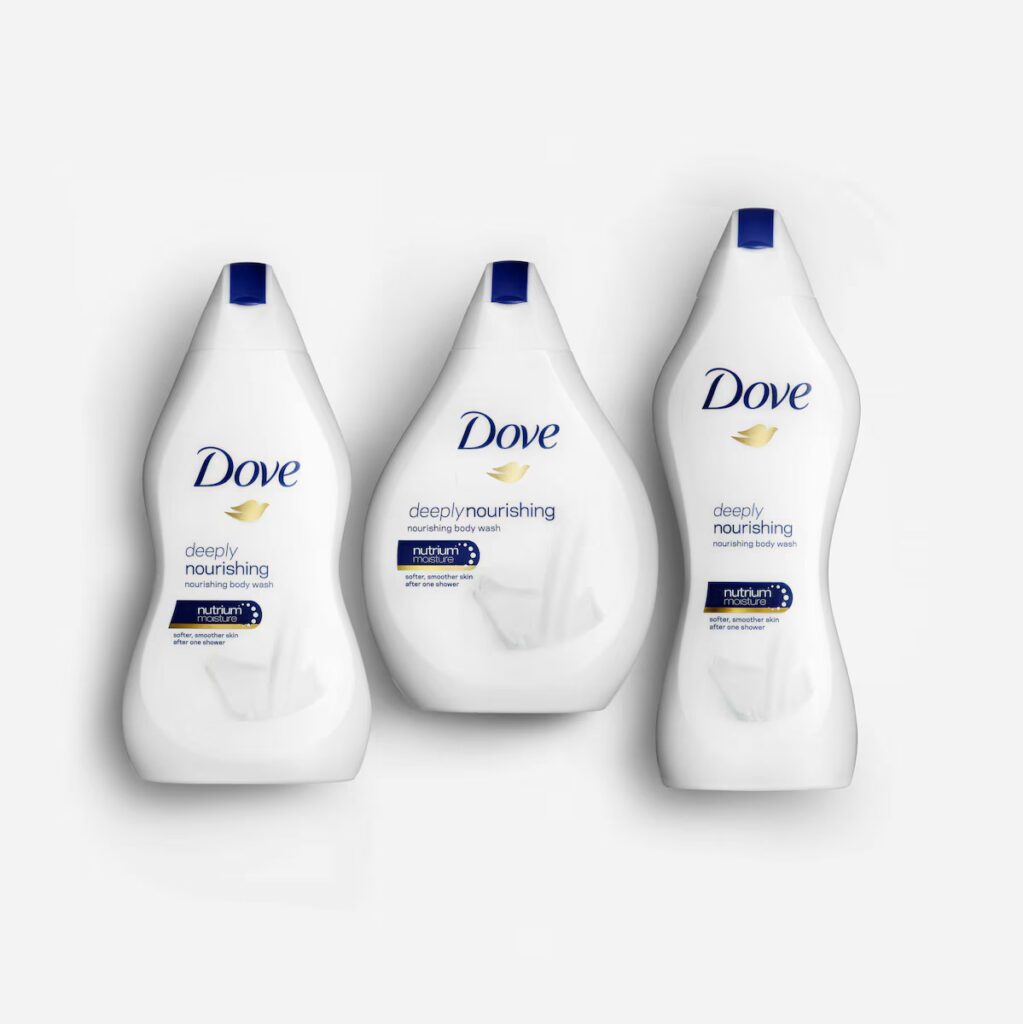
Examples leading the way
Several pioneers are demonstrating what inclusive packaging can achieve, these examples illustrate a key principle: inclusive packaging does not need to be complex. Sometimes the most impactful solutions are the simplest.

Challenges and opportunities
Our brands face several challenges: balancing cost with functionality, navigating the lack of global standards, and addressing supply chain disruptions. Yet the opportunities outweigh these obstacles. Untapped markets, rapid technological advancements, and a growing demand for inclusivity position accessible packaging as one of the most important design frontiers of the next decade. Are we ready to ride the wave and redefine our value proposition with a broader vision that unlocks tremendous market potential?

Written by
Juan Campderà
General Manager, Aktiva | Creative Design Agency
Source: Selfridges

Lorem ipsum dolor sit amet, consectetur adipiscing elit Lorem ipsum dolor sit amet, consectetur adipiscing elit


