Increasingly precise parameters are defining the landscape in which new packaging designs must operate. This is no longer simply a matter of aesthetics or a fresh creative cycle, but a direction clearly set by the PPWR (Packaging and Packaging Waste Regulation), the EU framework governing packaging and its disposal. The first measures will come into force in August 2026, with full implementation required by 2030.
As a result, 2026 marks a decisive moment for the future of packaging and underscores the urgency felt by companies as they prepare to comply with the new rules.
This regulatory shift is already reshaping the strongest trends for 2026, redefining priorities and visual languages. One of the clearest signals concerns the evolution of second-generation refills. There is a strong move towards material minimisation and genuine recyclability, pushing brands to view refills not as a simple eco-friendly add-on but as true system components: durable containers, lightweight and mono-material refill packs, and a notable reduction in heavy glass (in contrast to 2025) and hard-to-separate laminates. Against this backdrop, packaging with a purpose is becoming increasingly important.
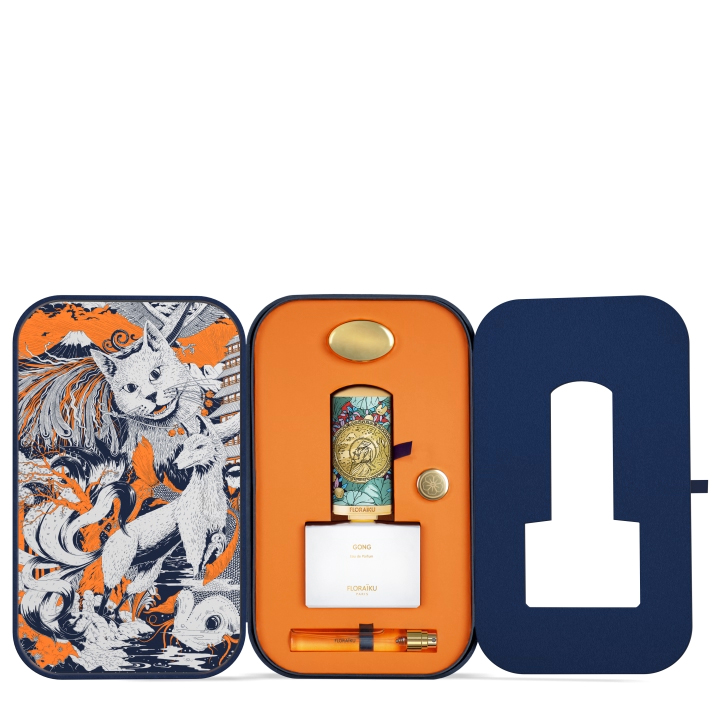
Floraïku stands as a notable example of multi-purpose packaging, both in narrative and in use. Its increasingly all-paper outer packaging is inspired by the Japanese bento box. Inside is an evocation of the yokai cat, a bottle with a travel cap, a travel-size vial and the cap from the 50 ml version. A haiku, written according to the traditional Japanese structure, features on the back of the bottle. The cap itself doubles as a case for the travel-size version, crafted from Italian leather and hand-stitched, with motifs ranging from yukata and kimono fabrics to dreamlike scenes from Japanese folklore and contemporary landscapes.
Inclusivity has become a central theme, which in packaging translates into attention to sensory and cognitive needs. This can be described as neuro-inclusivity. More legible contrasts, simplified openings, non-slip surfaces and tactile cues are just some of the elements that go beyond basic ergonomics, making packaging genuinely “for everyone”. In this context, inclusivity also encompasses regulatory compliance.
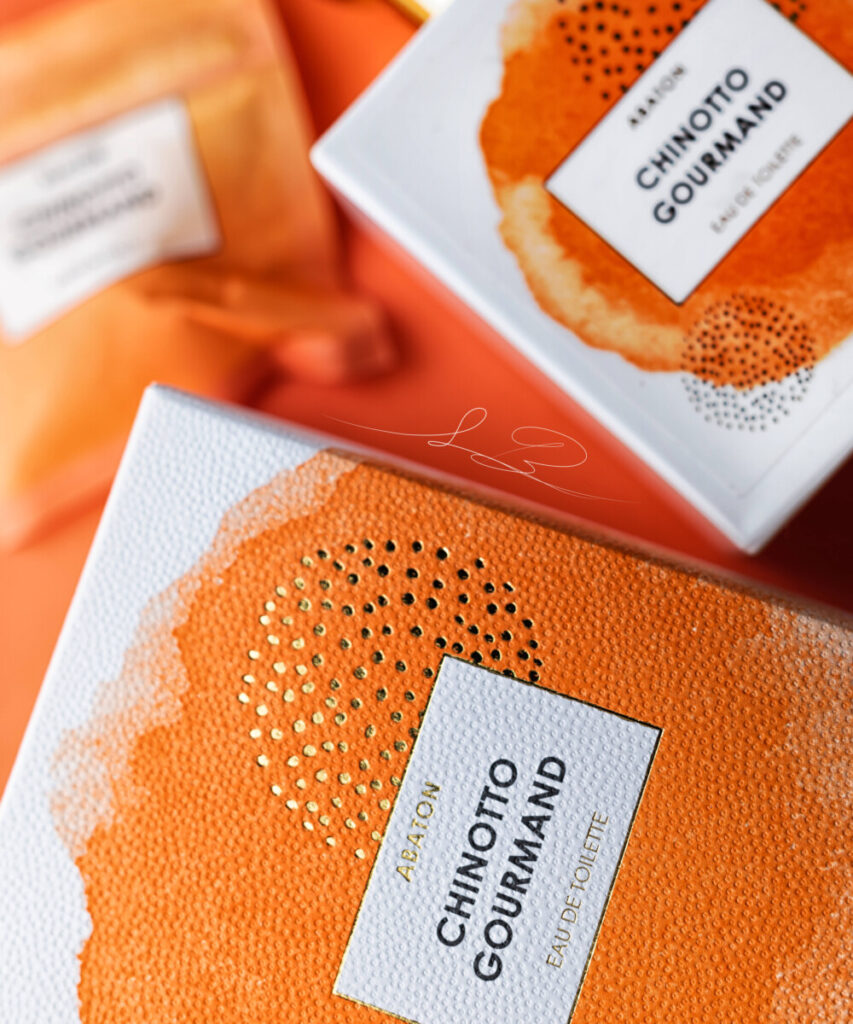
The relationship between aesthetics and materials is also evolving. Numerous projects emphasise industrial craftsmanship, incorporating textured papers, deep embossing, thick varnishes, wood or natural fibre inserts, and details in precious materials such as porcelain. For example, Abaton’s Chinotto line employs Spillo Fedrigoni textured paper, which mimics the peel of the Ligurian citrus fruit and is enhanced with gold or silver hot foil. The bottle is finished with an eco-friendly plastic cap for the EDT version, or a handmade wooden cap for the parfums.
Similarly, Agatho’s sculptural caps for the Pompei collection are crafted from Capodimonte porcelain. These caps, with a distinctly artisanal character, are modelled, fired and painted by hand. The process combines traditional techniques with in-house production, ensuring both absolute quality control and flexible output. The bottles are then housed in wooden boxes sealed with wax.
Meanwhile, another trend is gaining momentum: nearshoring, the move to bring production and supplies closer to the end market. This strategic choice demands tighter control across the supply chain, precise traceability and a reduced logistical footprint. By situating plants closer together, companies can create more resilient supply chains, mitigate risks and respond more swiftly to regulatory changes.
The year 2026 is also pivotal for connected packaging. QR codes, UIDs and digital identification systems are increasingly serving as tools for transparency. The ultimate objective is the Digital Product Passport: packaging that communicates, informs, guides and educates.
Finally, one of the most significant shifts concerns the management of empty space. New regulations limit the void permitted in packaging for e-commerce and transport. This quiet revolution is compelling brands and suppliers to rethink formats, proportions and internal protections. Right-sizing, once considered a
best practice, is now a structural requirement, reshaping the very ergonomics of packaging.
The outcome is clear: for designers, businesses, and consumers alike, packaging in 2026 represents a transformative change in the rules of the game – one that is here to stay.